Conveyor belt product solutions expert

- Inquiry
Categories
Contact Us
E-mail:
sale@hbgbmachine.com
Phone/WhatsApp:
+86-18232810051
Address:
500 m North of Fengchi Turntable, Yanshan County, Cangzhou City, Hebei Province, China

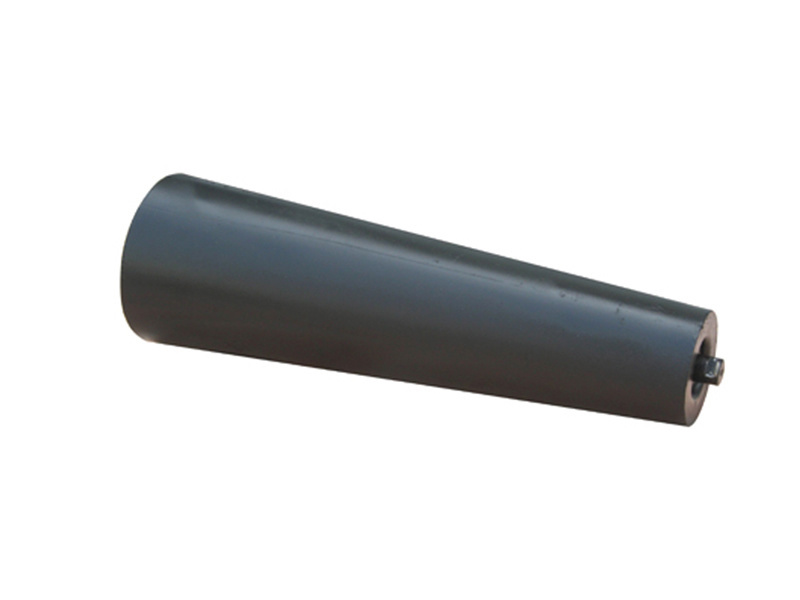
Screw roller


- Description
-
Purpose:
It is suitable for transporting coal in flammable situations in coal mines, and can also be used in electric power, chemical industry, metallurgy and other industries requiring non-flammable devices to conduct static electricity.
Features:
1. Belt body light, high strength;
2. Good overall performance;
3. Good anti-slip performance and large climbing Angle.Roller, is an important part of the belt conveyor, many types, large number, can support the conveyor belt and material weight. It accounts for 35% of the total cost of a belt conveyor and generates more than 70% of the resistance, so the quality of the idlers is particularly important. It comes in steel and plastic.
The role of the roller is to support the conveyor belt and the weight of the material. Roller operation must be flexible and reliable. Reducing the friction between the conveyor belt and the roller plays a key role in the life of the conveyor belt, which accounts for more than 25% of the total cost of the conveyor. Although the roller is a small part in the belt conveyor, the structure is not complicated, but the manufacture of high-quality roller is not easy.
There are the following criteria to judge the quality of the roller: radial runout of the roller; Idler flexibility; Axial channeling momentum.
Screw Roller: An Innovative and Versatile Product
The screw roller is a remarkable piece of engineering that has found applications in various industries.
I. Design and Construction
Structure
The screw roller typically consists of a helical screw blade wrapped around a central shaft. The screw blade is carefully designed with a specific pitch and diameter. The pitch determines the rate at which the material is moved along the roller, while the diameter affects the overall capacity and the force exerted on the material.
The shaft is made of high - strength materials such as alloy steel, which can withstand significant torsional and compressive forces. It is precisely machined to ensure proper alignment with the screw blade.
Materials
For applications where the screw roller is in contact with abrasive materials, the screw blade may be made of hardened steel or even tungsten carbide - coated materials. This provides excellent wear resistance, ensuring a long service life.
In food - processing applications, the screw roller is often made of stainless steel to meet strict hygiene standards. The stainless steel construction also offers corrosion resistance, which is crucial in environments where the roller may be exposed to moisture or acidic substances.
II. FunctionalityMaterial Conveying
One of the primary functions of the screw roller is material conveying. It can handle a wide range of materials, from granular substances like sand, grains, and plastic pellets to semi - solid materials such as sludge or dough.
The rotation of the screw roller creates a pushing force that moves the material along the length of the roller. This is highly efficient and can be adjusted according to the required throughput. For example, in a mining operation, screw rollers can be used to transport ore from the extraction point to the processing area at a controlled rate.
Mixing and BlendingScrew rollers can also be used for mixing and blending purposes. When multiple materials are introduced into the screw roller, the helical motion of the screw blade thoroughly mixes them together.
In the chemical industry, different chemical components can be blended using screw rollers to ensure a homogeneous mixture. This is especially important for the production of consistent quality products. For instance, in the production of fertilizers, the precise mixing of nutrients using screw rollers is essential to meet the required composition.
CompactionAnother function of the screw roller is compaction. As the material moves along the screw, it can be gradually compacted. In the waste management industry, screw rollers can be used to compress waste materials, reducing their volume for more efficient storage and transportation.
In the manufacturing of building materials such as bricks or concrete blocks, screw rollers can be employed to compact the raw materials to the desired density, enhancing the strength and quality of the final product.
III. ApplicationsIndustrial Manufacturing
In the manufacturing of plastics, screw rollers are used in extrusion machines. The plastic granules are fed into the screw roller, where they are melted and then extruded through a die to form various plastic products such as pipes, sheets, or profiles.
In the metalworking industry, screw rollers can be used for the transportation of metal chips and swarf in machining operations. They help in collecting and removing the waste metal materials from the work area efficiently.
Agriculture
Screw rollers are used in grain handling systems. They can be part of silo unloaders, where they convey the grains from the bottom of the silo to the next stage of processing or storage.
In feed mills, screw rollers are used to mix different types of animal feed ingredients, ensuring a balanced diet for livestock.
Construction
In concrete batching plants, screw rollers are used to convey cement, sand, and aggregates to the mixing drum. They also play a role in ensuring the proper proportioning of these materials before mixing.
For road construction, screw rollers can be used to spread and compact asphalt mixtures, providing a smooth and durable road surface.
In conclusion, the screw roller is a highly versatile product with a wide range of applications across multiple industries. Its efficient design and functionality make it an invaluable component in many production and processing operations.Screw Roller: An Innovative and Versatile Product
The screw roller is a remarkable piece of engineering that has found applications in various industries.
1. Design and Structure
A screw roller typically consists of a cylindrical body with a helical screw - like pattern on its surface. The helix can be designed with different pitches and depths depending on the specific requirements. This unique design allows for efficient handling and movement of materials.
It is often made from high - quality metals such as steel. The choice of material ensures durability and the ability to withstand heavy loads and continuous operation. The surface of the screw roller may also be treated with anti - corrosion coatings to enhance its lifespan, especially in environments where moisture or chemicals are present.
2. Working PrincipleWhen in operation, the screw roller rotates around its axis. This rotation causes materials in contact with it to be either pushed forward or drawn in, depending on the direction of rotation and the design of the screw. For example, in a conveyor system, the screw roller can be used to move granular materials like sand, gravel, or grains along a trough. The helical shape gradually transports the material from one end to the other in a controlled and continuous manner.
In some machinery, screw rollers are also used for mixing or blending purposes. As they rotate, they can stir and combine different substances evenly. This is particularly useful in industries such as food processing, where ingredients need to be thoroughly mixed, or in the chemical industry for preparing compound mixtures.
3. ApplicationsManufacturing Industry: In manufacturing plants, screw rollers are used in assembly lines for transporting small parts. They can be precisely adjusted to move components at a specific speed and direction, ensuring smooth production processes. For example, in the production of electronics, screw rollers can be used to move circuit boards from one workstation to another during the assembly process.
Agriculture: In agricultural machinery, screw rollers play an important role. They can be used in seed drills to accurately dispense seeds into the soil at the desired intervals. The screw - like action ensures that the seeds are evenly distributed, which is crucial for optimal crop growth.
Mining: In the mining industry, screw rollers are used for handling and transporting ores and minerals. Their robust design enables them to handle the heavy and abrasive materials commonly found in mining operations. They can be part of a conveyor system that moves the mined materials from the extraction site to the processing area.
4. AdvantagesHigh Efficiency: Screw rollers offer a high - efficiency solution for material handling. Their continuous and smooth operation ensures a consistent flow of materials, reducing the risk of blockages or jams.
Precision: They can be engineered to provide precise movement and control, which is essential in many industrial processes where accuracy is crucial.
Versatility: Due to their simple yet effective design, screw rollers can be adapted for a wide range of applications, from handling fine powders to large - sized objects.
In conclusion, the screw roller is an essential component in many industries, offering reliable, efficient, and versatile solutions for material handling, mixing, and transportation.
Hot Tags:
Inquire Now
We will contact you within one working day. Please pay attention to your email.
RELATED PRODUCTS



500 m North of Fengchi Turntable, Yanshan County, Cangzhou City, Hebei Province, China